Study
Review component drawings, samples, weight, sensitivity, route and handling method.

Combine standard reusable products with custom trays, dunnage, partitions and handling concepts designed around your process.
Packaging development starts with understanding what is moving, how it is handled and what can go wrong during the journey.
Review component drawings, samples, weight, sensitivity, route and handling method.
Select the container platform and define the internal layout, pockets, partitions or support points.
Develop a sample arrangement for fit, accessibility, loading and component protection.
Check handling, stacking, part clearance, movement control and operational suitability.
Introduce the packaging system into the customer’s recurring movement loop.
Review practical feedback and optimize the solution when process conditions change.
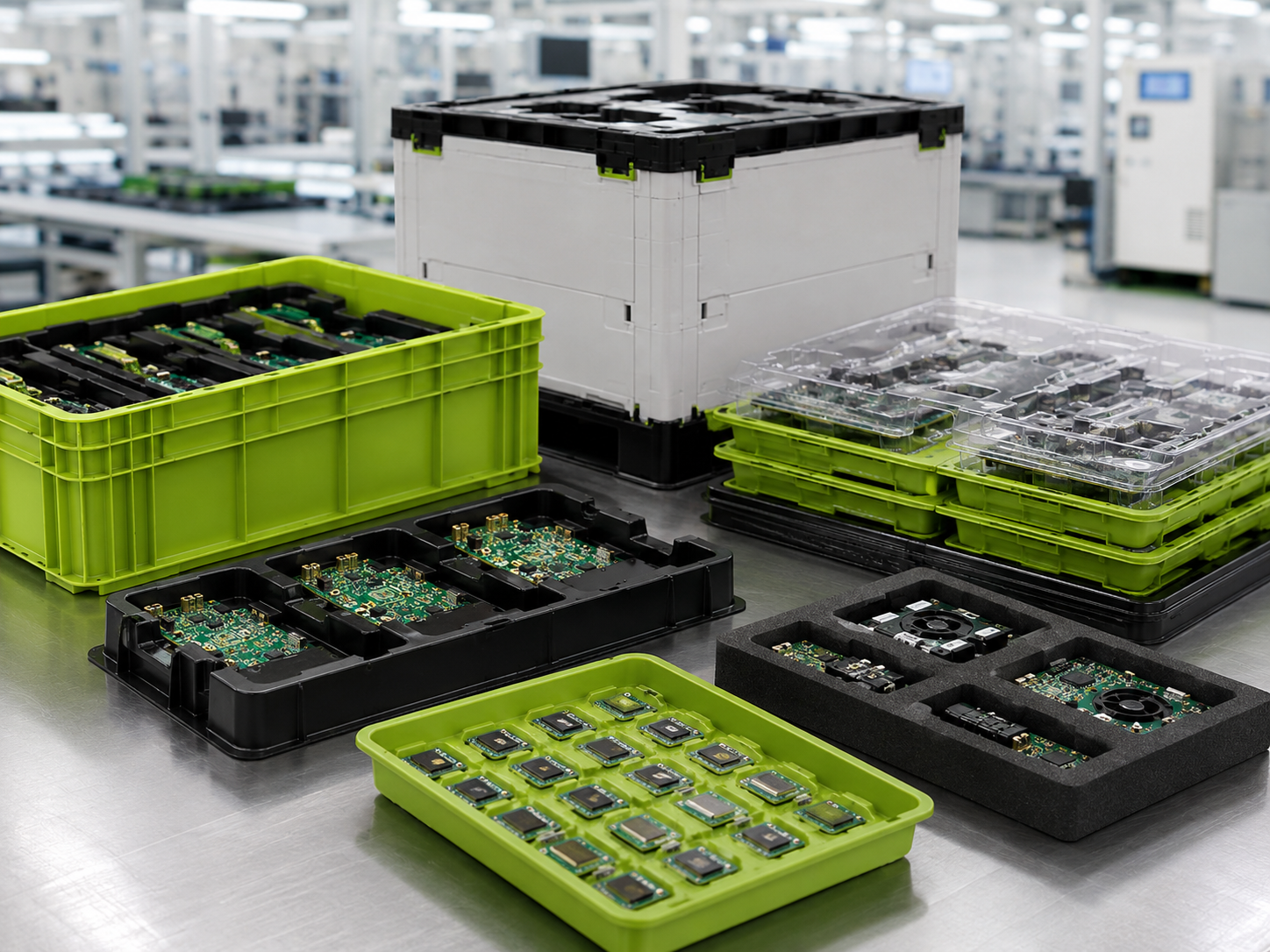
Custom trays can position sensitive parts consistently, improve counting, reduce contact and support clean presentation during handling.
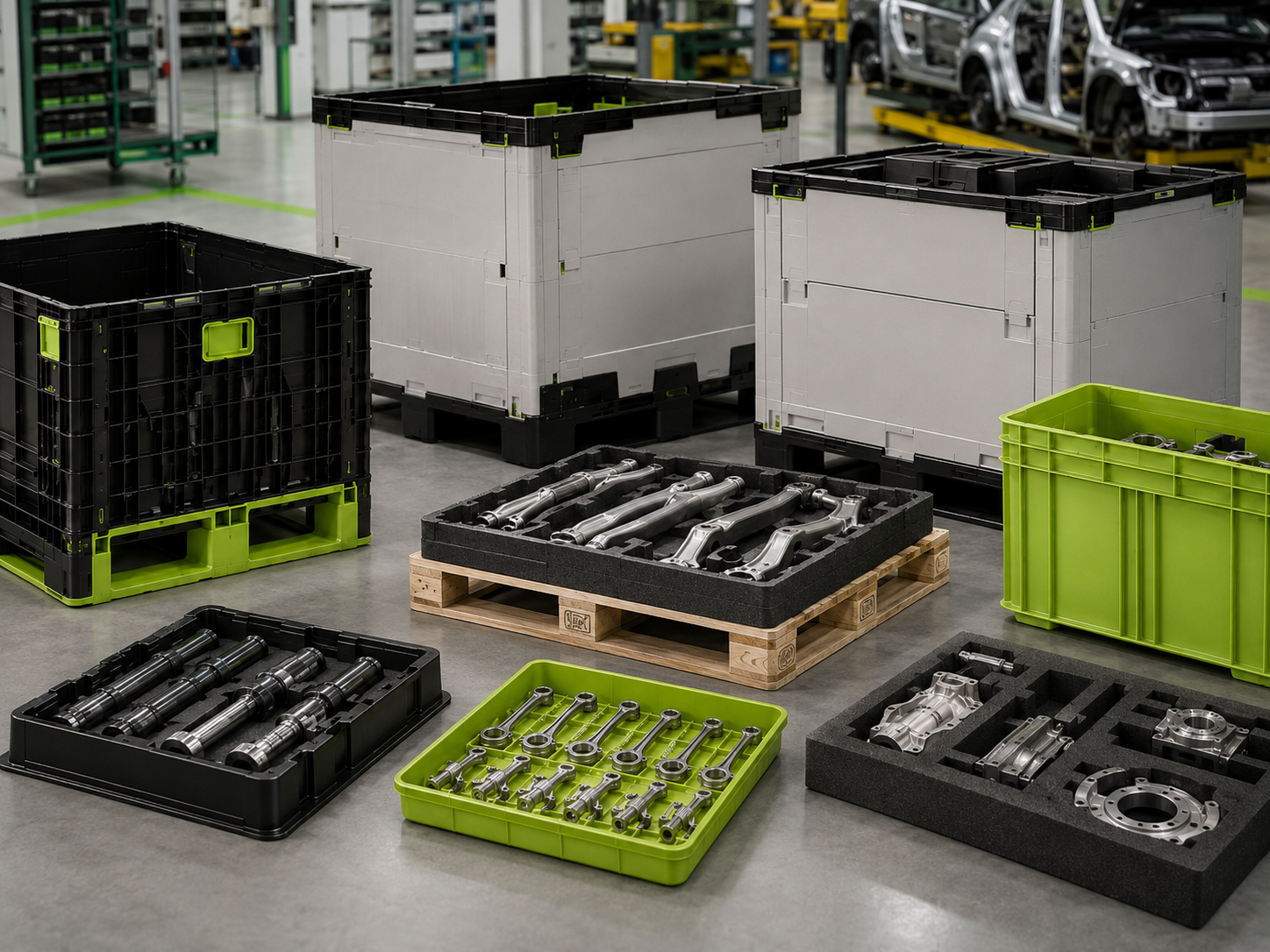
Foam, molded, partitioned or fabricated dunnage helps isolate parts and reduce damage inside larger containers.
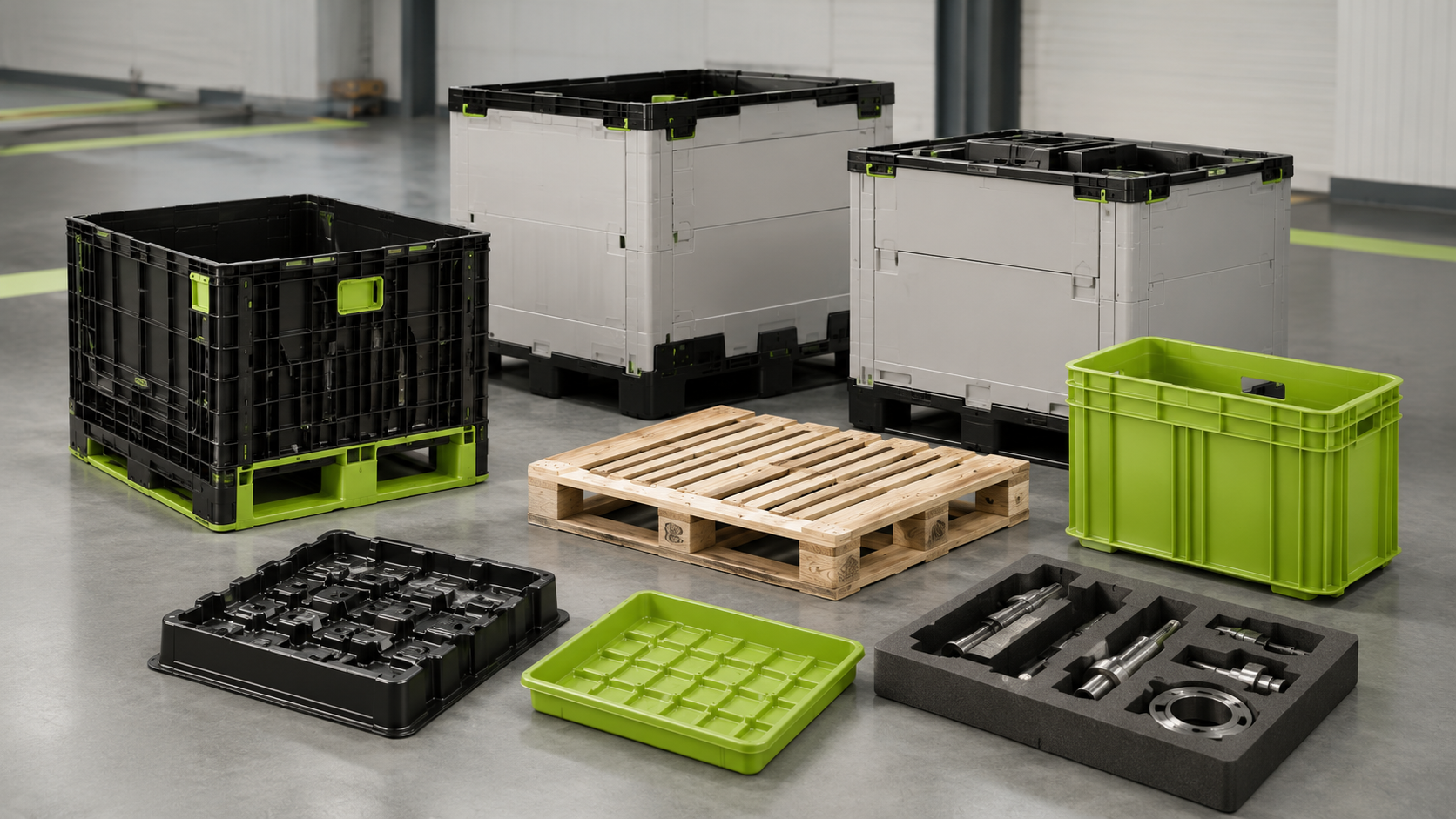
Use packaging units through a managed rental model instead of purchasing every container as a permanent asset.
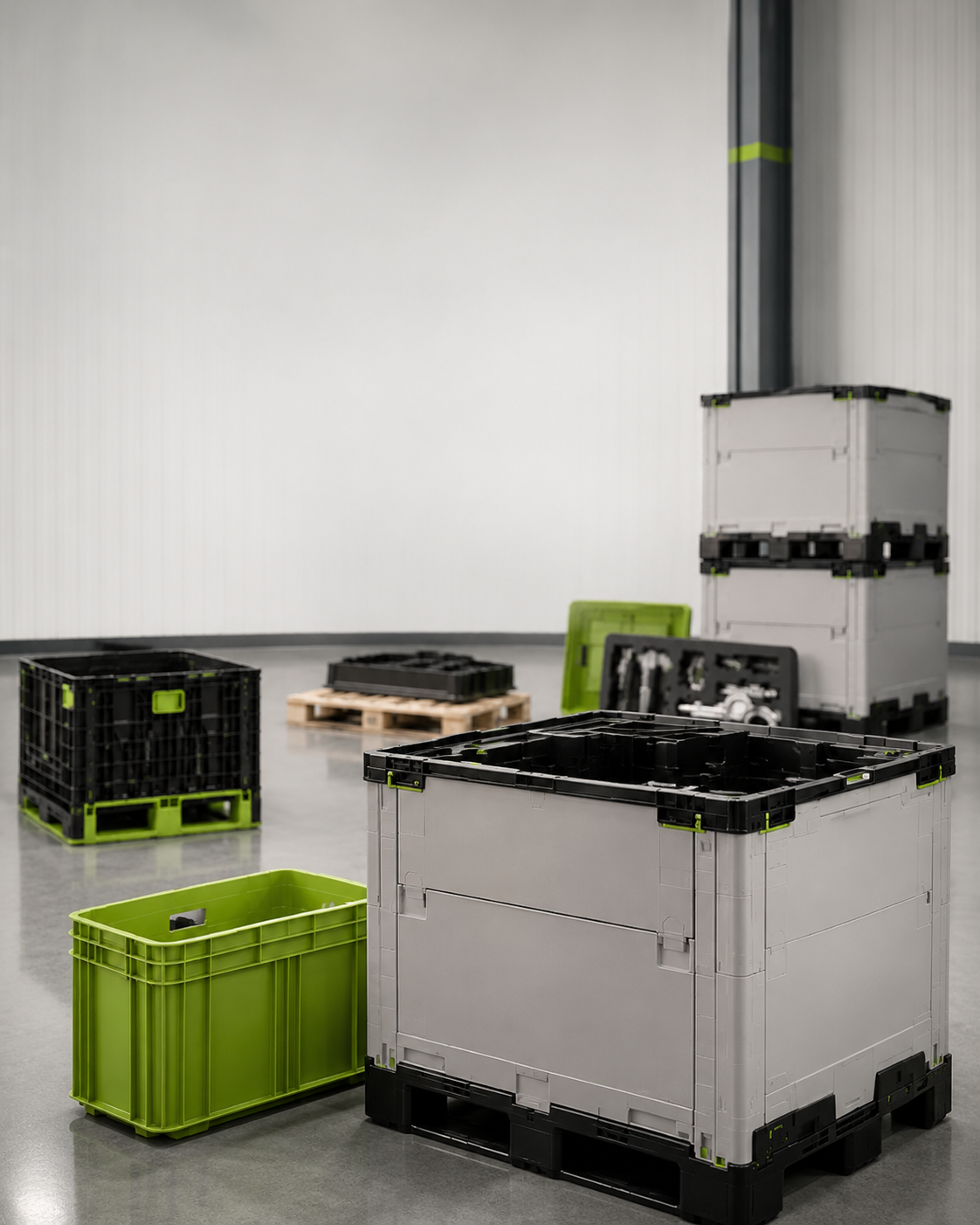
Combine external packaging and internal protection into one fit-for-purpose movement system.
Provide drawings, photographs, part samples, quantities and route information to begin the solution discussion.